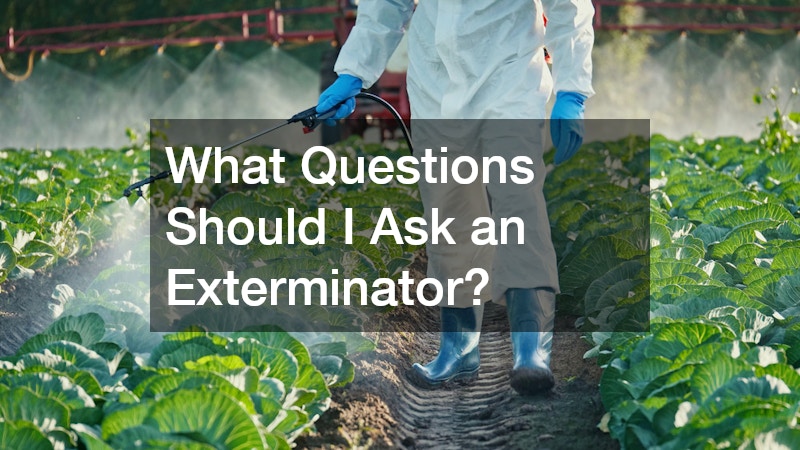
Discover the essential questions to ask an exterminator to ensure effective pest control and peace of mind. This guide will provide you with the crucial information to make informed decisions when hiring a pest control professional. Pest control is an important aspect of maintaining a healthy and safe environment in your home.
Understanding the specifics of pest control methods and the qualifications of the professional you hire can impact the success of the treatment. Let’s delve into the questions that will empower you in making the best choice for pest management.
1. What Experience and Certifications Do You Have?
When hiring an exterminator, understanding their experience level and certifications is crucial. Experience often equates to expertise, allowing the exterminator to quickly identify and treat pest problems effectively. Inquiring about their certifications is equally important, as these indicate a professional’s commitment to adhering to industry standards. Look for exterminators with certifications from reputable organizations, such as the National Pest Management Association, which ensure the practitioner has undergone rigorous training. Moreover, those with advanced certifications in specific areas may offer reassurance that they are updated on the latest techniques and technologies.
A good question to ask is how long the exterminator has been operating and which specific pests they are most experienced in dealing with. This is because some pests require specialized knowledge to effectively eliminate them. An exterminator with many years of experience in dealing with a particular type of pest can provide insights into their working processes. Such insights can include typical symptoms of an infestation or particular vulnerabilities in a home to be addressed. Additionally, experienced exterminators usually have case studies or references that attest to their expertise.
Certification speaks to both credibility and a dedication to ongoing education in the field of pest control. Exterminators must often pass state or industry exams to achieve certifications, demonstrating their knowledge and expertise. Always ask to see copies of their certification documents to ensure they are up to date. A certified exterminator is not only proficient but also recognizes the importance of safety and ethical pest control. Hiring a professional with the right credentials gives you peace of mind that the job will be done correctly and safely.
2. What Treatment Methods Do You Use?
Understanding the treatment methods an exterminator uses is integral to knowing how your pest problem will be managed. Some methods are more environmentally friendly than others and pose different levels of risk to humans and pets. A good exterminator should offer various treatment options and explain the pros and cons of each. With the increase in public awareness regarding the environment, more households are opting for integrated pest management (IPM) strategies. IPM focuses on long-term prevention and utilizes a combination of practices such as biological control, habitat manipulation, and the use of resistant varieties.
Questions about treatment options can uncover how flexible and knowledgeable an exterminator is regarding the available pest control methods. Are they limited to chemical control procedures, or do they have non-chemical solutions? Chemical controls are sometimes necessary, but an exterminator should be able to propose alternate methods to minimize health and environmental impacts. Methods like exclusion, habitat modification, and sanitation are non-chemical practices that can be employed. Additionally, some professionals might employ organic or green solutions that are less harmful to the environment.
It is also essential to understand how these treatments will be applied and how long they are expected to be effective. The ideal exterminator can provide an estimated timeline and the expected duration for any applied treatments. Understanding how these methods will address the immediate issue and prevent future infestations is key to making an informed decision. You may also inquire about any pre-treatment arrangements to ensure the process is as effective as possible. The transparency of treatment methods reflects directly on the reliability and professionalism of the exterminator.
3. How Do You Identify and Assess Pest Problems?
An exterminator’s ability to accurately identify and assess pest problems sets the stage for effective treatment. Proper identification is critical, as different pests require different approaches for eradication. Ask about the exterminator’s methods for diagnosing pest issues and the tools they use for assessment. Some may use advanced technology, such as thermal imaging or moisture meters, to detect hidden infestations. A detailed inspection of your home, both inside and out, is typically needed to comprehensively inspect all potential sources of pest issues.
During the assessment process, good exterminators will also look for signs beyond just the presence of pests. They evaluate the condition of the environment to understand contributing factors such as sanitation issues, building structure weaknesses, or favorable conditions for nesting. This holistic approach ensures that any underlying problems contributing to an infestation are addressed. Discussing the process for monitoring and reevaluating the situation after the treatment is also critical. This ensures that the exterminator follows through until the pest problem is fully resolved.
Moreover, pest control specialists should provide thorough reports detailing their findings and recommended course of action. These reports are valuable for understanding what was found during the inspection and what steps need to be taken next. Transparency in sharing findings and discussing preventive strategies demonstrates a commitment to solving the issue at hand competently. Such practice not only builds trust but also allows homeowners to take measures to prevent future infestations. Ultimately, it’s the joint efforts of exterminators and homeowners that lead to lasting pest control results.
4. What is the Estimated Cost of Your Services?
Cost is a significant factor when considering pest control services, so it’s important to obtain a clear estimate from your exterminator. Ask for a detailed breakdown of costs associated with the services provided, so you understand what you are paying for. Some exterminators offer package deals or contracts which can provide ongoing services at a discounted rate. It’s helpful to compare estimates from a few exterminators to ensure you’re getting fair pricing. Be wary of unusually low estimates, as they might indicate inadequate service or hasty, ineffective treatments.
It’s also advisable to ask if there are any additional or hidden fees that might arise during the course of treatment. Sometimes unforeseen issues might come up during the extermination process which could incur extra charges. Clarifying this in advance can prevent surprise expenses and allows for better budgeting of resources. Transparency about payment terms, such as deposit requirements and payment methods accepted, is also crucial. Clarifying if service guarantees or warranties are included in the cost is another benefit to inquire about.
Many exterminators offer free inspections and estimates as part of their service, providing you with an opportunity to assess the professionalism and customer service quality. By participating in the inspection itself, you can better understand the pricing rationale. High-quality service often comes at a premium but it ensures reliable and lasting pest control. Evaluating the value provided versus the cost is pivotal as ensuring safe, efficient, and effective pest control directly impacts the comfort and wellbeing of your home environment. Always opt for something that balances quality, affordability, and transparency.
5. Do You Offer Guarantees or Follow-ups?
A service guarantee or the provision of follow-up services shows the confidence an exterminator has in their work. A robust guarantee typically assures that if pests return within a certain period, they will come back to re-treat free of charge. This can save significant costs and reassure you that the firm is invested in thoroughly solving your pest issues. It’s crucial to ask about the specific terms of any guarantees, including any conditions that might void the guarantee. Furthermore, some exterminators offer continued monitoring or follow-up visits as part of their service package to ensure total pest removal.
An initial treatment might eradicate the pests, but without follow-up, the potential for re-infestation remains a risk. Consistent follow-up demonstrates a professional commitment to pest management and showcases a long-term solution strategy rather than a quick fix. It also provides the opportunity for exterminators to reassess treatment effectiveness and adjust as necessary. Regular follow-up appointments can significantly reduce the chance of pests returning and can sometimes even catch new issues before they become serious. Evaluating the frequency and scope of these follow-up activities can inform your choice of pest control professional.
Ask about the duration covered under their follow-up or guarantee terms to understand what level of support you will receive. If the company offers a warranty, inquire how they evaluate its success and what steps they take if issues persist. A transparent guarantee policy is evidence of a firm’s confidence in their solution, commitment to customer satisfaction, and adherence to quality standards. Companies providing honest and detailed answers build trust and assure customers that pest problems will be handled effectively. Commitment to quality service, reinforced by guarantees and follow-up, is a marker of true professionalism in pest control.
By asking these critical questions, you can ensure you hire a competent and reliable exterminator. Ensuring the safety of your home and family from pests requires an informed approach, and being prepared with the right questions is the first step. With detailed knowledge about qualifications, treatment methods, pricing, and guarantees, you are well-equipped to make a sound decision. Do not hesitate to ask for clarification or additional information during consultations with pest control professionals. In doing so, you protect your home and ensure a pest-free environment for the future.