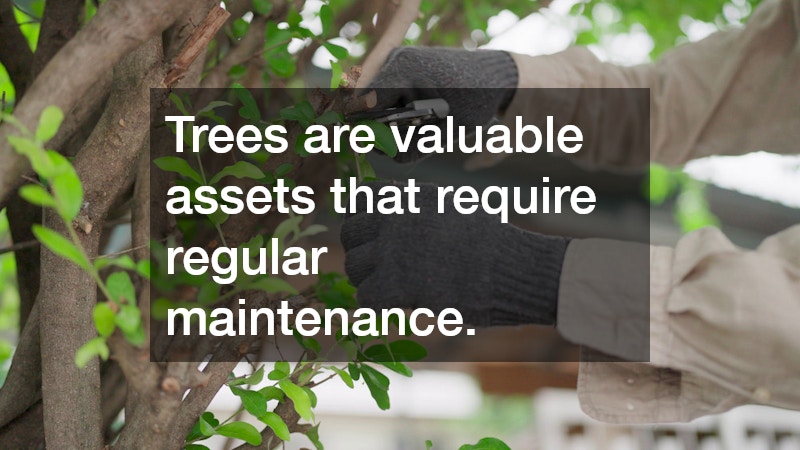
Understanding when to enlist professional help for tree care can save you time, money, and stress while protecting the health of your landscape. Trees are valuable assets, providing shade, beauty, and environmental benefits, but they also require proper maintenance. Recognizing the signs that indicate the need for a tree service is essential to avoiding long-term damage, safety risks, and costly repairs. By being proactive about tree care, you help preserve both the appearance and value of your property.
Here are five clear signs it’s time to call in the experts.
1. Visible Signs of Tree Disease
One of the most common reasons to seek professional help is visible tree illness. Discolored or wilting leaves can signal nutrient deficiencies, fungal infections, or pest problems. Unusual growth patterns, such as sparse foliage or misshapen branches, often indicate internal stress. You may also notice soft or decaying bark, dark spots, or fungal growth on the trunk—signs that deeper issues are present.
Structural problems can be even more concerning. A tree that leans more than usual, develops hollow areas, or shows cracked limbs may be suffering from root rot or internal decay. These problems aren’t always obvious to the untrained eye, yet they significantly increase the risk of falling branches or tree failure. Ignoring these warning signs can allow disease to spread, weakening the tree and threatening nearby property.
Early diagnosis is key. A professional tree service can assess the damage, identify the cause, and recommend treatments that help restore your tree’s health or determine if removal is necessary for safety.
2. Pest or Fungal Infestations
Pests and fungi can rapidly deteriorate a tree’s condition if left untreated. Signs of infestation include chewed leaves, small holes in the trunk, sawdust-like residue, or sticky sap on branches. Fungal issues may appear as mushrooms growing at the base of the tree, dark patches on bark, or abnormal leaf coloring.
These problems rarely stay isolated. Insects and diseases can spread from one tree to another, putting your entire landscape at risk. In severe cases, infestations weaken structural integrity, making trees more vulnerable to storms and breakage.
Professionals have access to proper treatments and preventative strategies that go beyond basic DIY solutions. With the right care plan, infestations can be controlled before they cause permanent damage.
3. Overgrown or Unstable Branches
Overgrown branches don’t just affect how your yard looks—they can be dangerous. Limbs that hang too close to your home, power lines, or walkways pose serious safety hazards. Weak, dead, or poorly supported branches are especially likely to break during high winds or storms.
Additionally, unbalanced growth can put stress on a tree’s structure, making it more prone to splitting or falling. Proper pruning improves both safety and tree health by removing damaged limbs and encouraging balanced growth.
While light trimming can be handled by homeowners, larger or high-risk pruning should be left to experts. A professional tree service has the equipment and training needed to manage tall trees and heavy branches safely.
4. Storm Damage or Safety Risks
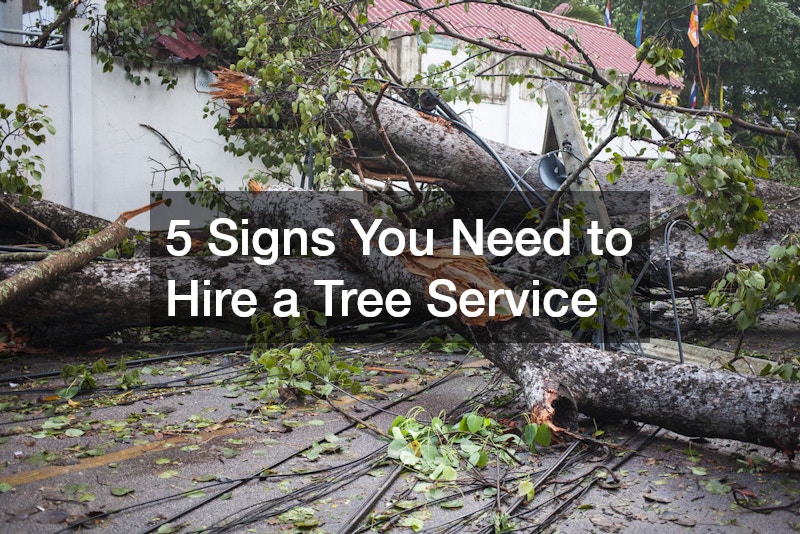
Severe weather can cause immediate and visible damage to trees. Broken branches, uprooted trunks, or trees leaning dangerously toward buildings require urgent attention. Even if the damage seems minor, hidden cracks or weakened roots can create long-term safety risks.
Falling limbs can injure people, damage roofs, and crush vehicles. Trees compromised by disease or decay are especially vulnerable during storms. Addressing these risks early can prevent emergencies and reduce costly repairs.
Regular inspections help identify potential hazards before they become dangerous. With professional evaluation, you can reinforce vulnerable trees or remove unstable ones to protect your property and loved ones.
5. Declining Property Appearance and Value
Healthy, well-maintained trees significantly boost curb appeal. They provide shade, improve air quality, and make a property feel inviting. On the other hand, neglected trees with dead limbs, uneven growth, or visible disease can make a yard look unkempt.
Potential buyers often view landscaping as a reflection of overall home care. Poor tree maintenance may suggest hidden problems or future expenses. Additionally, unsafe trees can increase liability risks and even raise insurance concerns.
Regular maintenance ensures your landscape remains an asset rather than a liability. Working with a tree service helps preserve the beauty, safety, and long-term value of your property.
Being aware of the signs that indicate a need for professional tree care is essential for maintaining a safe, attractive, and valuable property. From visible disease and pest infestations to storm damage and declining appearance, trees often show clear signals when they need expert attention. Acting early can prevent accidents, protect your investment, and preserve the beauty of your landscape.