Understanding Your Needs
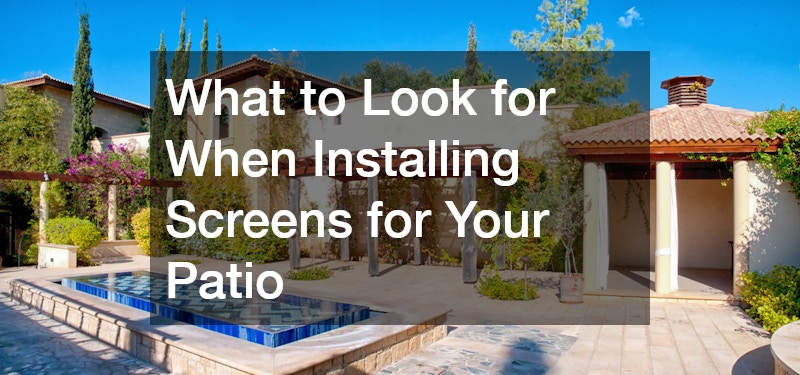
Before you start looking for patio screens, it’s important to first understand your specific needs. Consider how you use your patio area.
Do you primarily use it for lounging, dining, or entertaining guests? Perhaps you’re looking for protection from insects or to improve privacy? Understanding these requirements will lead you to a solution that best suits your lifestyle. Moreover, knowing your needs will help you in selecting the right type of patio screens, ensuring they serve their purpose effectively.
Once you have a clear understanding of how you want to use your patio, consider the variety of screen options available. Fixed screens are a great choice if you desire a permanent solution, while retractable screens offer flexibility for switching between an open and enclosed space. Conversely, motorized screens provide the convenience of operation with just the push of a button. Weigh the pros and cons of each type based on your lifestyle and usage frequency. Each option comes with its own set of benefits, catering to different needs and preferences.
It’s also crucial to take into account any environmental factors that might influence your choice. If your patio receives a lot of direct sunlight, screens with UV protection can help minimize heat and glare. Those living in areas with heavy insect activity might prioritize screens with tighter mesh. Additionally, consider the weather conditions in your area, as durable and weather-resistant materials can prolong the lifespan of your screens. By aligning your choice with your environmental conditions, you can enjoy maximum benefits from your patio screens.
Considering Material Options
Material plays a critical role in the performance and durability of patio screens. There are several popular materials including fiberglass, aluminum, and polyester. Fiberglass is a common choice due to its affordability, flexibility, and resistance to corrosion. Aluminum screens, while more expensive, offer superior durability and are less likely to sag over time. Polyester screens provide enhanced clarity and strength, making them an excellent option for those seeking premium quality. Each material has its unique advantages and potential drawbacks that should be considered.
Choosing the right material can have a significant impact on your patio’s aesthetics and functionality. For example, darker screens are great for reducing glare and heat, while lighter colors may offer a subtler appearance that blends seamlessly with your home’s exterior. If you live in a particularly windy area, a reinforced screen material may be necessary to withstand the elements. Furthermore, screens with microfibers can offer better insect protection and improved visibility. Selecting the right fabric involves balancing aesthetics with utility to achieve the desired outcome.
Budgeting and Installation
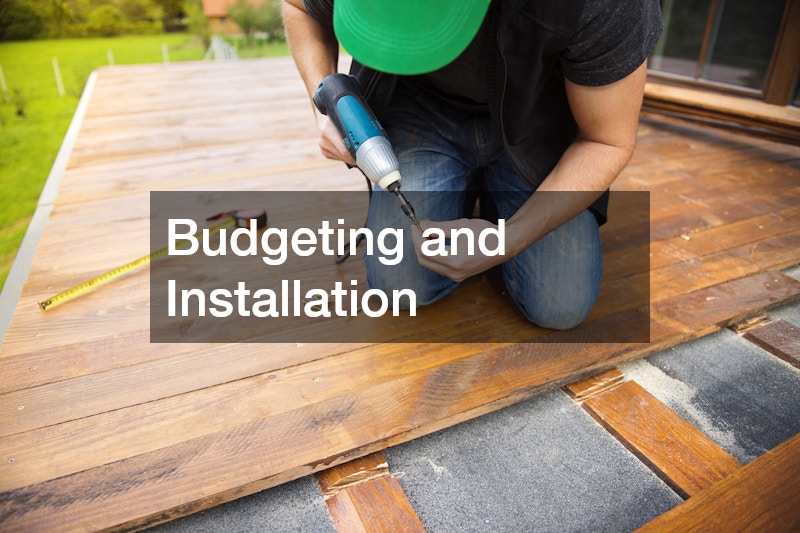
Setting a budget is an essential step before making any purchases for your patio screens. Prices can vary widely based on the type, material, and additional features of the screens. Determine a budget that covers the screens themselves, as well as any installation costs. If you are opting for professional installation, get multiple quotes to ensure you’re getting a fair price. Keeping your budget in mind will prevent overspending and help you make choices that fit your financial constraints.
It is important to remember that while it might be tempting to choose the cheapest option, investing in quality patio screens often pays off in the long run. High-quality screens are less prone to wear and damage, saving you money on replacements or repairs. Furthermore, the peace of mind that comes with quality and durability often justifies the initial expenditure. Striking a balance between cost, quality, and functionality is key to selecting the best screens for your patio. Consider discussing options with vendors to ensure an investment that aligns with both your needs and budget.
Finally, whether you choose to handle the installation yourself or hire a professional, ensure the process is completed correctly. Improper installation can lead to early wear or reduced functionality of your patio screens. By opting for professional installation, you can be assured of proper fitting and security, enhancing both function and aesthetics. If you decide to tackle installation yourself, ensure you have all the necessary tools and follow the guidelines meticulously. Either way, careful attention to the installation process is crucial for getting the most out of your patio screens.
Installing screens for your patio can greatly enhance the usability and enjoyment of your outdoor living space. By understanding your needs, considering material options, and carefully budgeting for the project, you can select a solution that enhances both functionality and aesthetics. Ensure you take into account your lifestyle, environmental factors, and personal preferences when making your selection. With thoughtful planning and consideration, patio screens can transform your space into a comfortable, stylish retreat.