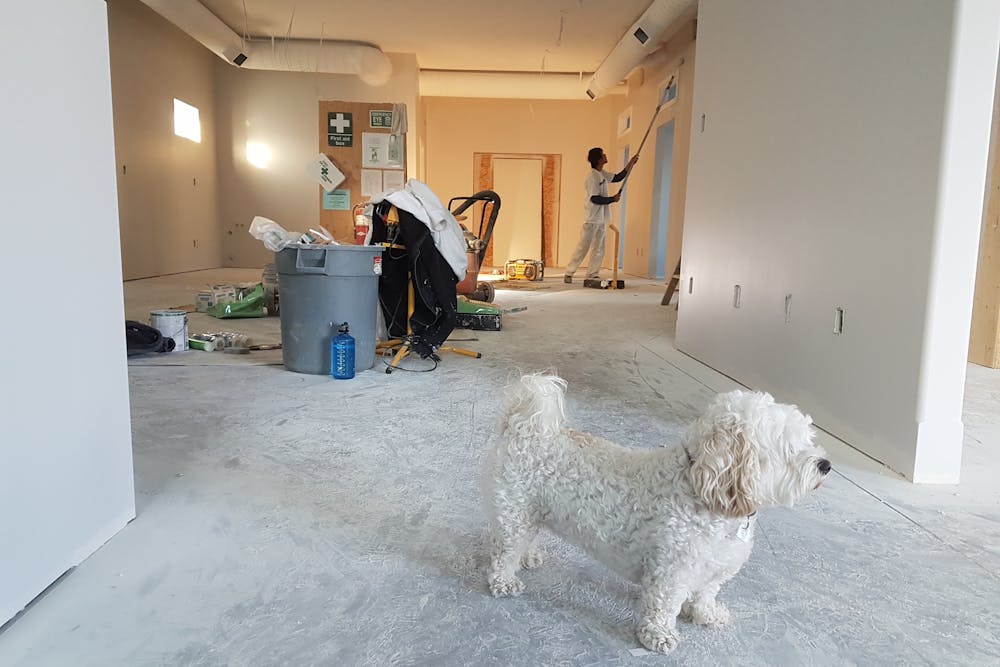
- Plan your renovation budget early to avoid financial surprises and ensure your project stays on track from start to finish.
- Break down renovation expenses into materials, labor, permits, and additional services to create a more accurate estimate.
- Research local construction costs and request multiple contractor quotes to understand realistic pricing in your area.
- Account for hidden or unexpected costs by setting aside a contingency fund of about 10–20% of your total budget.
- Consider the main cost factors such as project size, material quality, labor rates, and the condition of your home.
- Use cost-saving strategies like comparing suppliers, prioritizing high-impact upgrades, and exploring home renovation ideas on a budget.
Home renovation can transform your living space and increase property value, but it can also become expensive if you don’t plan carefully. One of the most important steps before beginning any renovation is creating a realistic cost estimate. Doing so helps homeowners understand how much they can afford, prioritize improvements, and avoid financial surprises once the project begins.
Estimating renovation costs may seem complicated, especially if you are not familiar with construction pricing or labor expenses. However, by breaking the process into manageable steps, you can develop a reliable budget that guides your project from planning to completion. Whether you are updating a single room or renovating your entire home, understanding how costs are calculated will help you make smarter decisions throughout the process.
Why Is It Important to Plan Renovation Costs Early?

Before any renovation project begins, understanding the financial scope is essential. Many homeowners underestimate the cost of materials, labor, permits, and unexpected repairs. Planning renovation costs early allows you to assess your finances and determine whether the project is feasible.
Early budgeting also helps prevent delays and unfinished renovations. When homeowners start a project without a clear financial plan, they often run out of funds midway through construction. This can lead to rushed decisions or compromised quality. By calculating expenses ahead of time, you can complete renovations smoothly while maintaining quality and safety standards.
Another advantage of early cost planning is the ability to compare options. You may discover that certain upgrades are more affordable than expected, while others require additional budgeting. Careful planning also gives you time to explore alternatives, including cost-saving materials or home renovation ideas on a budget that still achieve the desired look.
How to Estimate Renovation Costs
Estimating renovation costs does not require professional expertise, but it does require research and careful planning. By understanding the key factors that influence renovation expenses, homeowners can build a practical and accurate budget.
One helpful approach is to break the renovation project into smaller components. Instead of calculating the entire renovation as one figure, estimate the costs of materials, labor, permits, and additional services separately. This method allows you to see where most of your budget will go and where adjustments may be needed.
To estimate renovation costs effectively, consider the following steps:
- Measure the project area. Many renovations are priced per square foot, so knowing the size of the space helps provide an initial estimate.
- Research average renovation prices. Look at local contractor rates, material costs, and regional construction trends.
- Request multiple contractor quotes. Comparing estimates from several professionals helps you understand realistic price ranges.
- Include permit and inspection fees. Some renovations require approvals from local authorities, which can affect your budget.
- Add a contingency fund. Experts recommend setting aside 10–20% of the total budget for unexpected repairs or adjustments.
Following these steps will help you create a budget that reflects real-world costs rather than rough guesses.
What Factors Affect the Total Cost of Renovations?
Several factors influence how much a renovation project will cost. Understanding these variables helps homeowners create more accurate estimates and avoid costly surprises. Each renovation project is unique, but the same major cost categories typically apply.
The first major factor is the size and complexity of the project. Renovating a single bathroom will cost significantly less than remodeling an entire home. Similarly, projects involving structural changes, electrical rewiring, or plumbing upgrades often require specialized professionals, increasing labor expenses.
Another key factor is material selection. High-end materials such as natural stone countertops or custom cabinetry will significantly increase renovation costs. Choosing standard materials or alternative options can help homeowners stay within budget while still achieving attractive results.
Additional factors that affect renovation costs include:
- Labor rates in your area
- Permit and inspection requirements
- Accessibility of the work site
- Age and condition of the home
- Unexpected repairs, such as water damage or mold
Considering these factors during the planning phase allows homeowners to adjust expectations and allocate funds appropriately.
How Can You Reduce Renovation Costs Without Sacrificing Quality?

Many homeowners assume that reducing renovation costs means compromising quality, but this is not always the case. With smart planning and strategic decisions, it is possible to keep costs manageable while still achieving excellent results.
One effective strategy is prioritizing improvements that deliver the greatest impact. For example, repainting walls, upgrading lighting fixtures, or replacing outdated hardware can dramatically improve a space without requiring a large budget. These smaller upgrades often deliver noticeable results at a fraction of the cost of major renovations.
Another way to save money is by comparing suppliers and contractors. Material prices can vary significantly between suppliers, and contractor rates may differ based on experience or workload. Gathering multiple quotes and researching product alternatives can help you find quality options within your price range.
Homeowners can also reduce costs by:
- Reusing existing materials when possible
- Scheduling renovations during off-peak seasons
- Completing small DIY tasks such as painting or demolition
- Choosing durable materials that require less maintenance
These strategies allow you to maintain high standards while keeping renovation expenses under control.
Final Thoughts
Estimating renovation costs before starting a project is one of the most important steps in successful home improvement planning. A well-prepared budget provides clarity, prevents financial stress, and ensures that renovations proceed smoothly from start to finish.
By researching materials, consulting professionals, and understanding the factors that influence pricing, homeowners can develop accurate estimates and avoid unexpected expenses. Careful planning also allows you to prioritize upgrades and make adjustments that align with your financial goals.
Ultimately, a thoughtful cost estimate not only protects your budget but also helps you achieve the results you envision for your home.